Why Do Old Books Smell the Way They Do? | The Reading Room | Hockshi
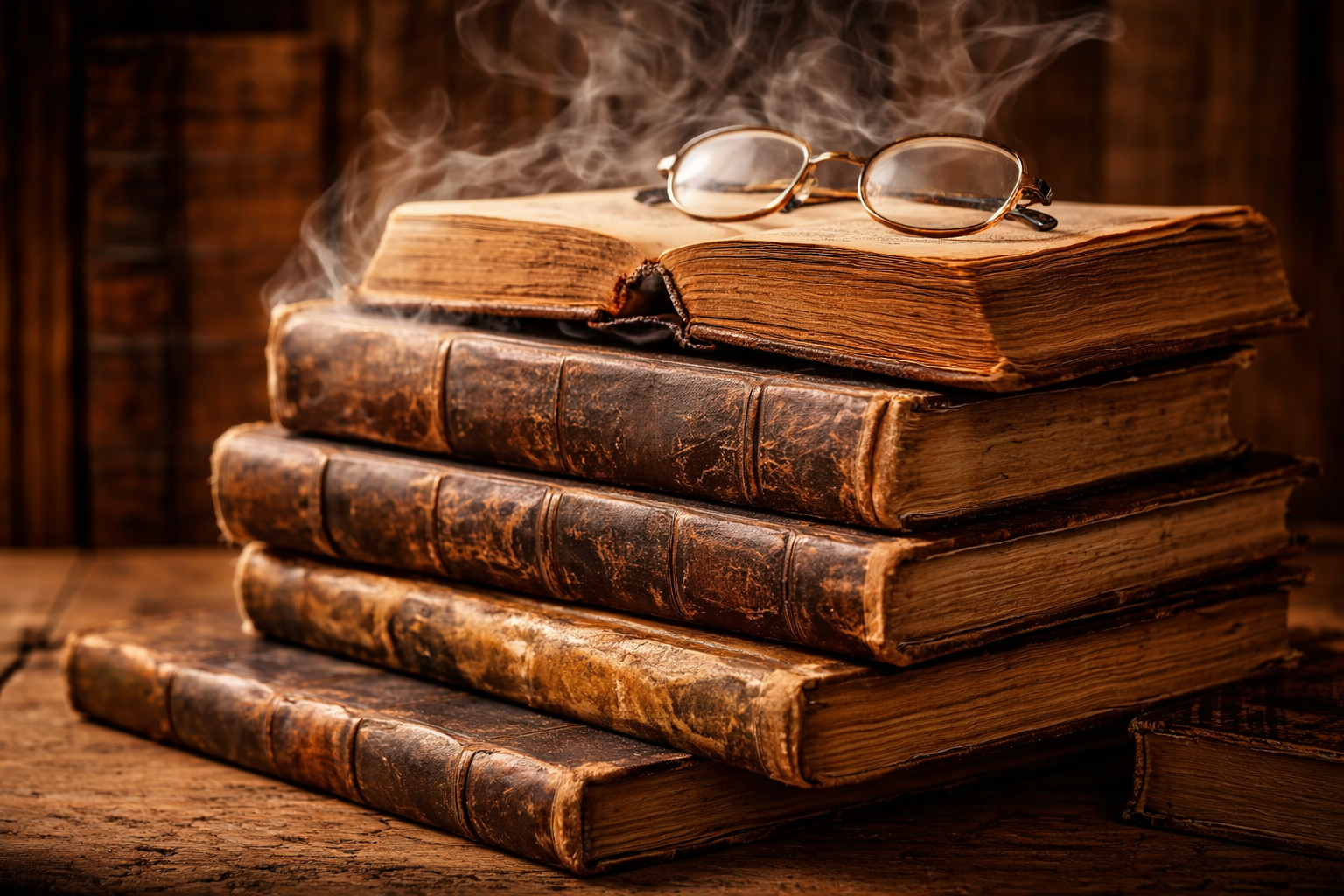
If you’ve ever opened an old book and taken a deep breath, you already know the smell. It’s warm, slightly sweet, sometimes earthy — and instantly nostalgic. For book lovers, it’s comforting. For collectors, it’s familiar. But what actually causes old books to smell the way they do?
The answer lies in chemistry, history, and time itself. That distinctive “old book smell” isn’t accidental — it’s the result of materials breaking down slowly over decades.
The Science Behind the Smell
Most books printed before the late 20th century were made using paper derived from wood pulp. Wood contains a natural polymer called lignin. Over time, lignin breaks down and releases a variety of organic compounds into the air.
These compounds are known as volatile organic compounds (VOCs). They evaporate easily and interact with our sense of smell. Together, they create the signature scent we associate with old books.
Why the Smell Feels Warm and Familiar
Scientists have identified several VOCs commonly released by aging books:
- Vanillin — gives a vanilla-like sweetness
- Benzaldehyde — smells like almonds
- Furfural — has a woody, caramel note
- Acetic acid — adds a faint vinegar tang
When combined, these compounds create a complex scent that many people describe as comforting, cozy, or nostalgic. It’s not just smell — it’s memory.
Why Older Books Smell Stronger Than New Ones
New books are typically printed on higher-quality, acid-free paper. This slows chemical breakdown and reduces odor over time.
Older books, especially those printed between the 1800s and mid-1900s, were often produced quickly and cheaply. Acidic paper ages faster, yellows more, and releases stronger scents as it deteriorates.
That’s why a 50-year-old paperback smells very different from a brand-new hardcover.
Is the Smell a Sign of Damage?
Not always. A pleasant old-book smell usually indicates normal aging. However, some odors are warning signs.
Shop confidently →
- Musty or damp smells may indicate mold
- Sharp or sour odors can signal severe acid breakdown
- Earthy, basement-like smells suggest moisture exposure
At Hockshi Used Books, we carefully inspect books to ensure their scent reflects age — not damage.
Why Book Lovers Love the Smell
The smell of old books is deeply tied to emotion. It reminds people of libraries, used bookstores, childhood reading, and quiet moments of discovery.
In fact, studies show that familiar scents can trigger memory more powerfully than images. That’s why opening an old book can feel like stepping back in time.
Does the Smell Affect a Book’s Value?
Surprisingly, yes. Collectors often associate a clean, aged scent with authenticity. While smell alone doesn’t determine value, it can influence perception.
A book that smells “right” often feels well-preserved and genuine — especially when paired with intact bindings and clean pages.
How to Preserve That Classic Book Smell
If you love the scent of old books, proper storage is key:
- Keep books in a cool, dry environment
- Avoid direct sunlight
- Maintain humidity between 40–50%
- Store books upright with support
Avoid artificial fragrances or sprays — they can damage paper and mask the natural aroma collectors appreciate.
Old books aren’t just stories on paper. They’re living artifacts — carrying history not only in words, but in scent. At Hockshi Used Books, we believe that’s part of their magic.
If you love the feel, history, and scent of old books, you’ll feel right at home at Hockshi.
Discover books with stories beyond the pages — thoughtfully sourced, carefully preserved, and ready for their next reader.
Discover Your Next Book