How to Tell If a Used Book Is Valuable | The Reading Room | Hockshi
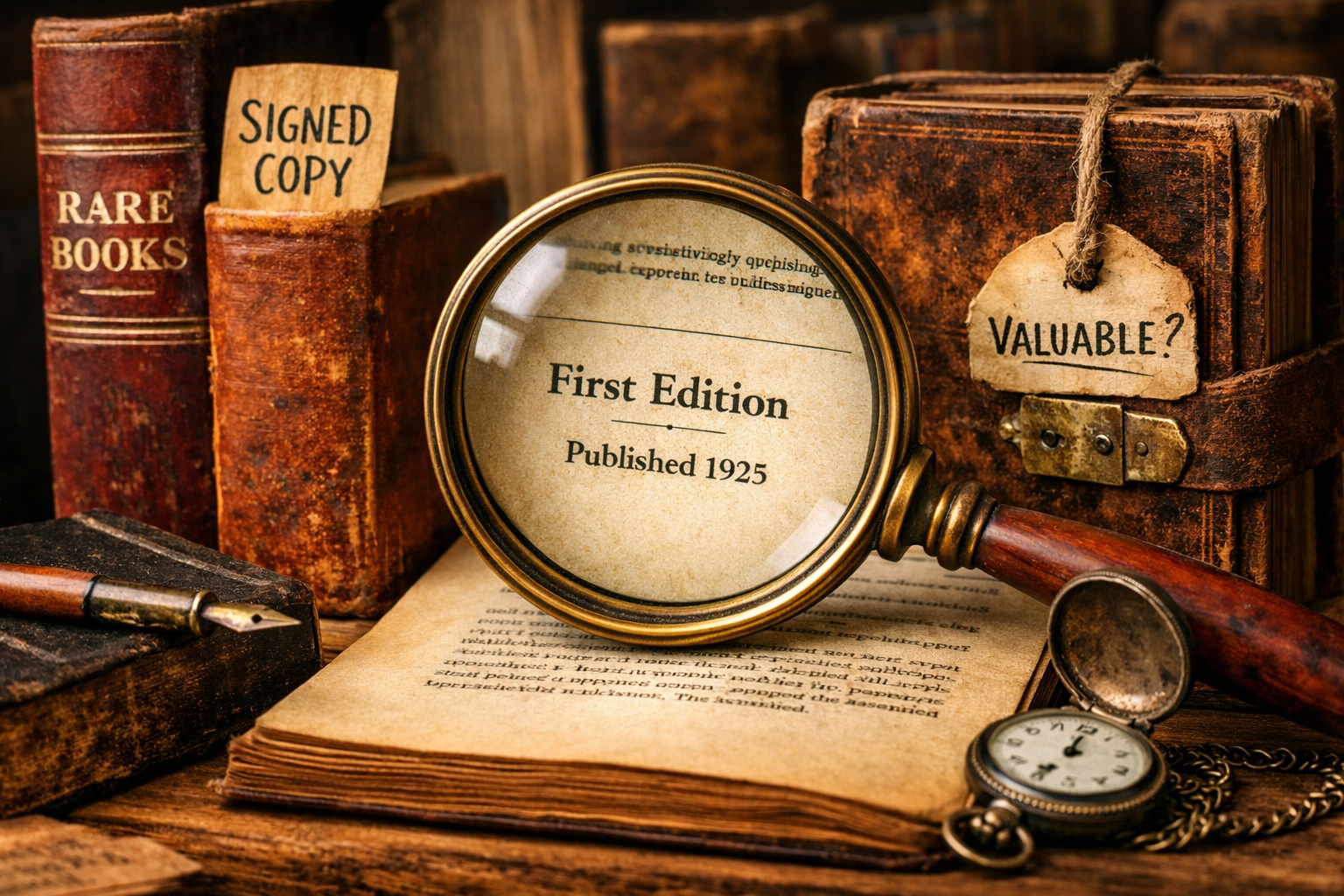
Not all used books are created equal. While many second-hand books are simply affordable reading copies, others can be surprisingly valuable. Knowing how to identify a valuable used book can help you avoid underpricing a hidden gem — or missing out on a great find.
Whether you’re a collector, seller, or curious reader, this guide will walk you through the key factors that determine a book’s value.
What Makes a Used Book Valuable?
A book’s value is determined by a combination of rarity, demand, condition, and historical or cultural significance. One factor alone rarely makes a book valuable — it’s the intersection of several that matters.
First Editions vs Later Editions
First editions are often the most sought-after versions of a book, especially for popular or influential works. However, not every first edition is valuable.
- Check the copyright page for edition information
- Look for phrases like “First Edition” or “First Printing”
- Be aware that publishers mark first editions differently
Later editions can still be valuable if they are rare, illustrated, or tied to a significant historical moment.
Condition: Why It Matters So Much
Condition can make or break a book’s value. Collectors typically look for:
- Clean, intact bindings
- Minimal page wear or discoloration
- No mold, water damage, or missing pages
- Original dust jackets (when applicable)
A rare book in poor condition may be worth less than a common book in excellent condition.
Dust Jackets and Original Covers
For many 20th-century books, the dust jacket can be as valuable — or more valuable — than the book itself. An intact original dust jacket can dramatically increase a book’s worth.
Signatures, Inscriptions, and Provenance
Author signatures can significantly increase value, especially if they are authenticated. Inscriptions to notable individuals or evidence of previous ownership (known as provenance) can also add historical interest.
- Signed first editions are especially desirable
- Personal notes from the author may add context and value
- Ownership by a notable figure can elevate significance
Rarity and Demand
A book is only valuable if people want it. Some books are rare but have little demand, while others are highly sought after due to cultural impact, academic relevance, or nostalgia.
Factors influencing demand include:
- Popularity of the author
- Historical or cultural importance
- Out-of-print status
- Collector trends
How to Research a Book’s Value
Before assuming a book is valuable, research comparable listings and sales. Look for:
- Completed sales rather than asking prices
- Matching editions and conditions
- Reputable used or rare book marketplaces
When to Seek a Professional Appraisal
If a book appears rare, historically significant, or unusually valuable, consider consulting a professional appraiser or rare book dealer. This is especially important before selling or insuring a book.
Understanding the value of used books deepens appreciation for the stories they carry — not just on their pages, but through their history. At Hockshi Used Books, we believe every book deserves careful evaluation, whether it’s a hidden treasure or a well-loved classic.