The Ultimate Guide to Buying Used Books | Hockshi
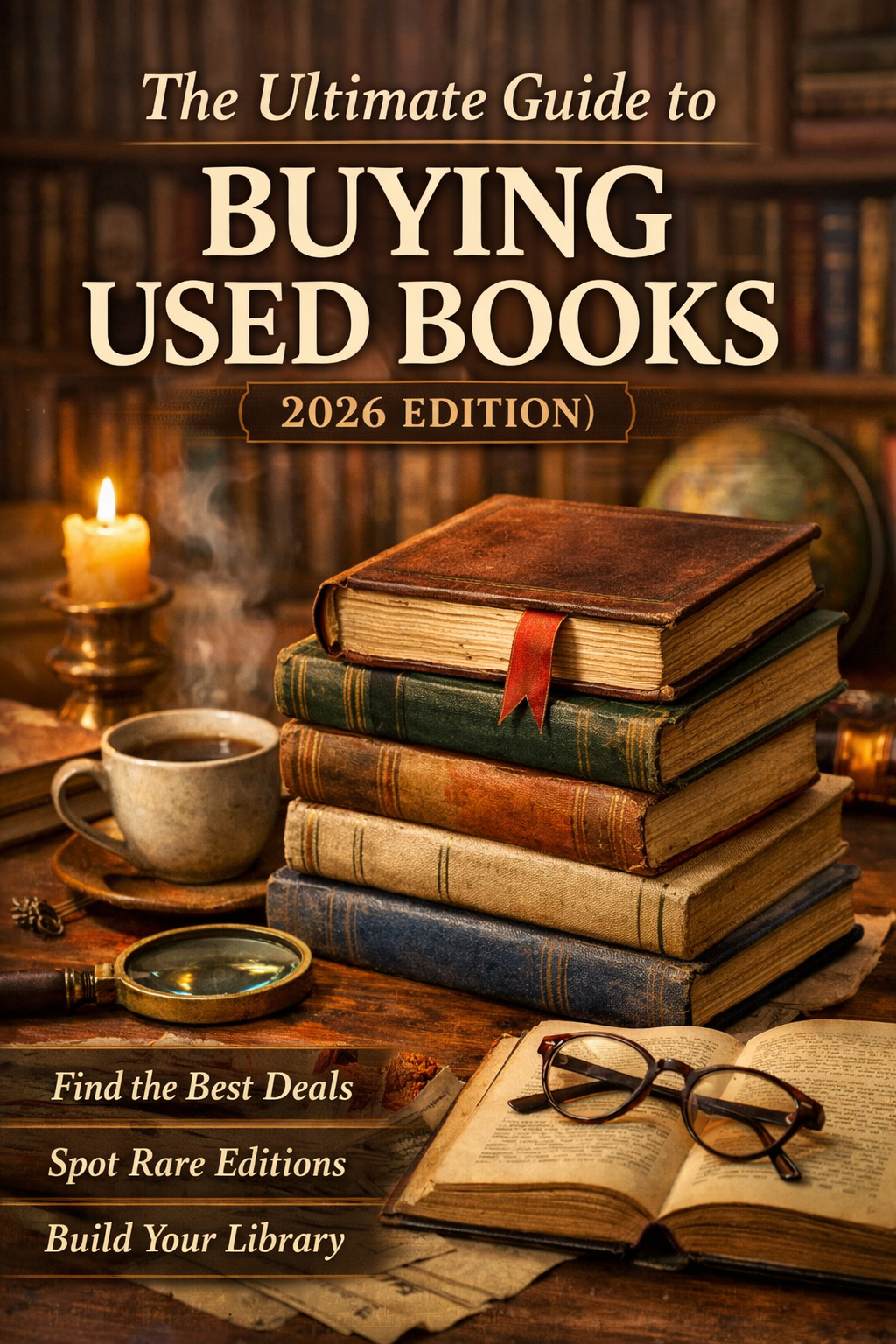
Used books are one of the smartest purchases you can make in 2026. They’re more affordable, often higher quality than you’d expect, and they keep stories in circulation instead of heading to landfills. But buying used is also a skill: knowing what to check (and what to ignore) is what separates a great find from a disappointing copy.
This guide is designed for everyone—students, collectors, everyday readers, and first-time used book shoppers. Bookmark it and come back whenever you’re deciding whether a book is worth it.
Table of Contents
- Why buying used books is smarter in 2026
- How to check condition (the easy checklist)
- Editions, printings, and what actually matters
- What to avoid (mold, missing pages, bad sellers)
- Where to buy used books: online vs local
- How to know if the price is fair
- Collectible & rare: how to spot value
- How to build a library on a budget
- FAQ
1) Why Buying Used Books Is Smarter in 2026
The best reason is simple: value. Used books let you read more for less. But there are other real advantages:
- Affordability: Great for students, families, and heavy readers.
- Sustainability: Buying used reduces demand for new printing and packaging.
- Discovery: You’ll find out-of-print titles and unique editions.
- Character: Used books often come with history—notes, bookmarks, and stories.
2) Condition: The Quick Checklist
Condition is the #1 factor that determines whether a used book is “worth it.” Here’s a simple checklist you can use in under 30 seconds:
Used Book Condition Checklist
- Cover & spine: no major tears, spine not broken, binding feels stable
- Pages: no missing pages, no heavy staining, no water damage
- Smell: “old book smell” is fine; musty/moldy smell is not
- Highlights/notes: minor notes are okay; heavy marking lowers value
- Dust jacket (if any): important for collectibility
If you’re buying online, look for clear condition notes and real photos. If a listing is vague, consider it a red flag.
3) Editions & Printings: What Matters (and What Doesn’t)
Many people assume “first edition” automatically means valuable. That’s not always true. What matters is a combination of edition + demand + condition.
- First editions: can be valuable for popular authors/titles
- First printings: often the most desirable within a first edition
- Special editions: illustrated, limited, signed, or publisher variants
- Out-of-print: can be valuable even if not first edition
4) What to Avoid When Buying Used Books
Most used books are perfectly fine. But there are a few deal-breakers you should avoid:
- Mold / mildew: musty smell, visible spots, or wavy pages
- Water damage: swollen covers, stuck pages, heavy staining
- Missing pages: especially common in textbooks and older paperbacks
- Unclear listings: no condition notes, no photos, vague “acceptable” only
If you want a safer experience, buy from sellers who clearly describe condition and stand behind it.
5) Where to Buy Used Books (Online vs Local)
There’s no single “best” place—just the best place for your goal:
Online (fast + broad selection)
- Best for: convenience, niche categories, hard-to-find titles
- What to check: condition notes, seller credibility, return policy
Local (discovery + immediate inspection)
- Best for: browsing, quick inspection, rare finds
- What to check: edition details, dust jackets, hidden wear
6) How to Know If a Used Book Price Is Fair
A fair price depends on condition, edition, and demand. Use this quick approach:
- Search the same title + edition
- Compare condition-matched listings (not just the cheapest)
- Look at completed sales when possible (asking prices can be inflated)
If you’re buying from a curated shop, you’re often paying slightly more for accurate condition, reliable packaging, and fewer surprises—which is worth it for many readers.
7) Collectible & Rare: How to Spot Value
If you’re hunting for value, focus on books that are both rare and wanted. Common value boosters include:
- First editions / first printings of popular titles
- Signed copies (authentic signatures)
- Limited runs, publisher variants, illustrated editions
- Books tied to historical events or cultural moments
- Original dust jackets in great condition
If you want a deeper walkthrough, check our guide: How to Tell If a Used Book Is Valuable →
8) Build a Great Library on a Budget
Here are simple strategies that work:
- Buy in themes: pick 1–2 topics and build depth
- Use wishlists: track titles and buy when the price is right
- Mix formats: hardcovers for favorites, paperbacks for quick reads
- Start with classics: high value + low cost
Quick starter bundle idea
Pick 1 classic, 1 personal development book, and 1 skill-building book. Three books can cost less than one new hardcover.
Build your library with used booksFAQ
Are used books lower quality?
Not necessarily. Many used books are gently read once. Condition varies, which is why clear descriptions matter.
Do used books smell bad?
“Old book smell” is normal. A musty smell can signal moisture or mold—those are best avoided. (Related: Why Do Old Books Smell?)
Are used textbooks worth buying?
Yes—just verify edition requirements, access codes, and missing pages before purchasing.